

New Rugs for Luxury Interiors
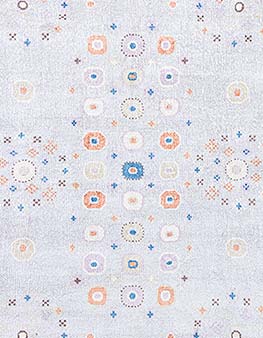
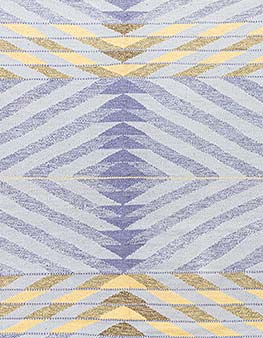
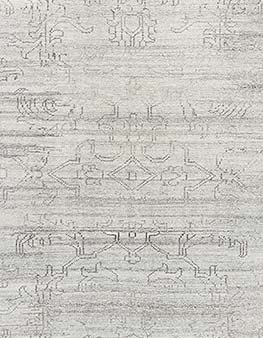
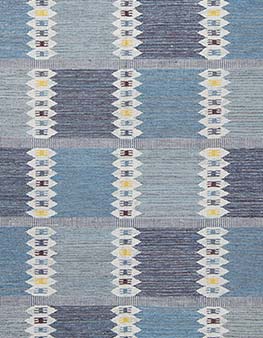
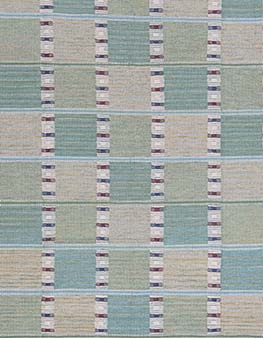
New rugs offer the design freedom of contemporary production with the texture, scale, and craftsmanship expected in a serious rug collection. At Doris Leslie Blau, the category includes hand-knotted wool rugs, wool-and-silk carpets, flatweaves, natural fiber rugs, modern kilims, and traditional designs inspired by Oushak, Tabriz, Sultanabad, Aubusson, Bessarabian, Scandinavian, Moroccan, Art Deco, Arts and Crafts, Bauhaus, and other decorative sources. These pieces are especially useful for interior designers and homeowners who want fresh condition, specific dimensions, current color palettes, and the option to coordinate a rug with architecture, upholstery, art, and lighting.
Handmade construction, considered design
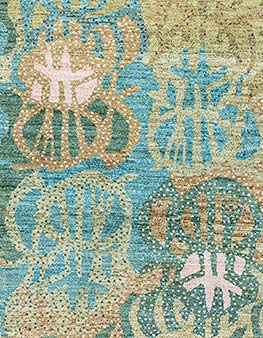
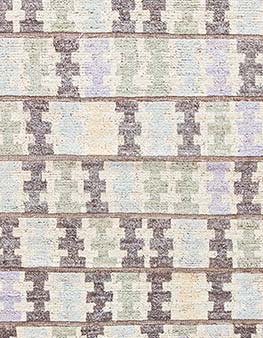
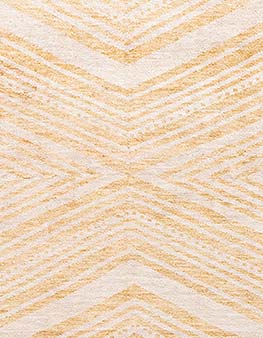
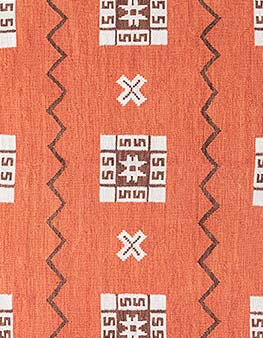
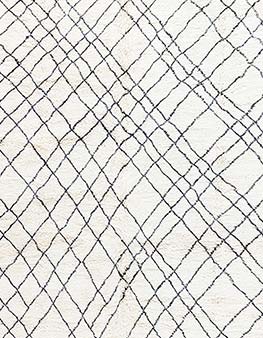
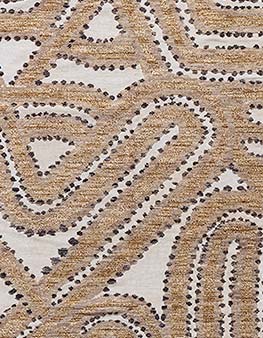
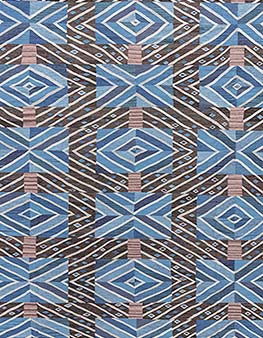
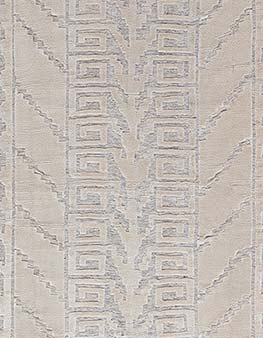
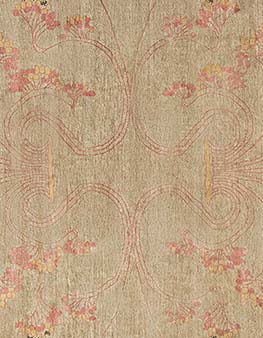
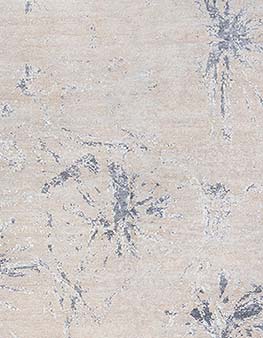
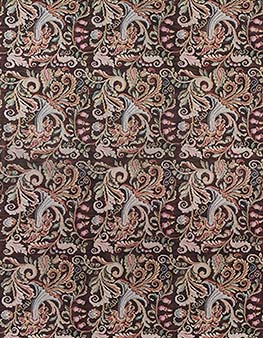
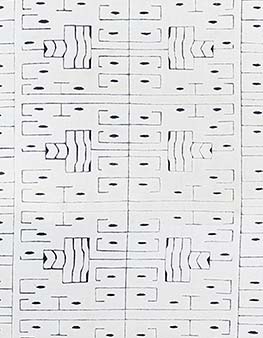
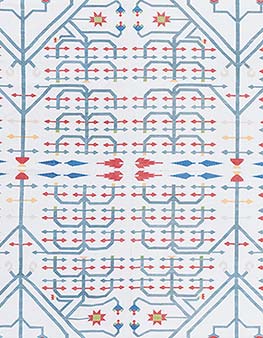
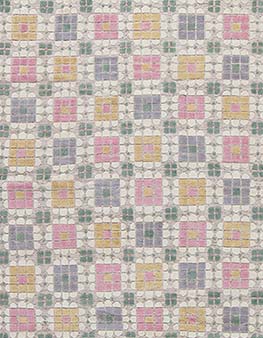
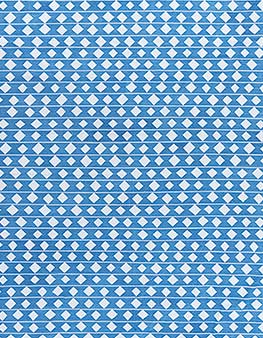
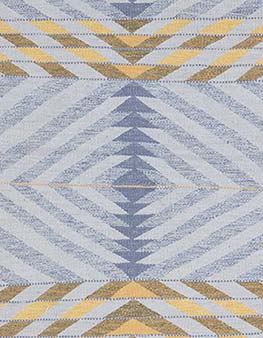
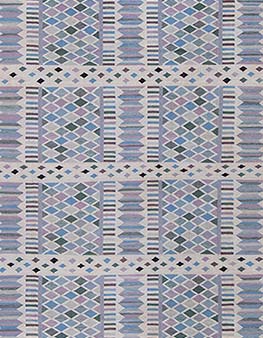
The value of a new rug is not only in its pattern but in how it is made. A fine handmade rug can bring depth, softness, and individuality to a room in a way that mass-produced floor coverings rarely achieve. Hand-knotted rugs provide pile, density, and long-term structure; flatweaves offer a lower profile and crisp graphic presence; wool gives resilience and warmth; silk or wool-and-silk blends can add luminosity and definition. Within the collection, buyers can compare abstract, floral, geometric, solid, striped, animal, and tribal patterns as well as quieter tonal rugs for layered luxury interiors.
- Measure both the furnished seating area and the full room before choosing a size.
- Use wool for durability, silk for refinement, and wool-and-silk for contrast.
- Choose flatweaves for lower clearance areas or a cleaner architectural look.
- Consider oversized rugs when furniture should sit fully on the carpet.
- Review palette in natural and artificial light before final placement.
Choosing scale, palette, and room use
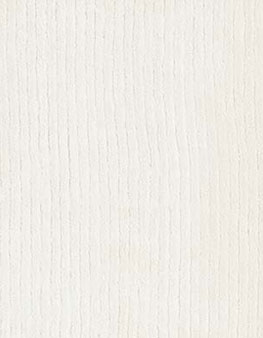
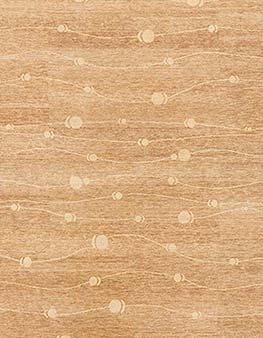
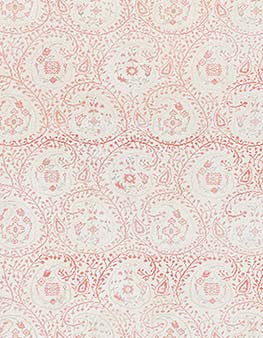
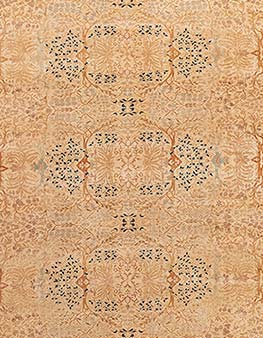
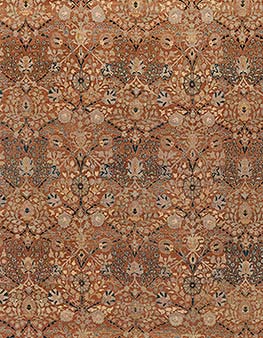
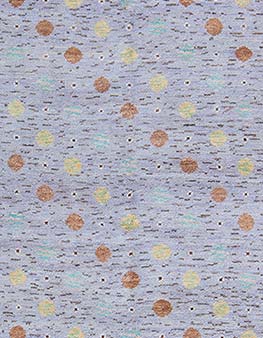
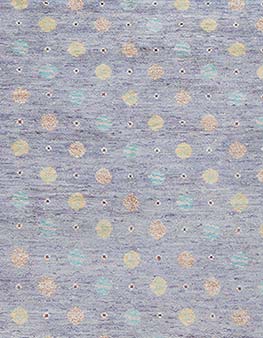
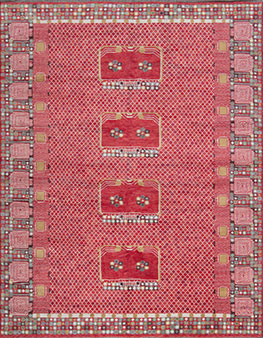
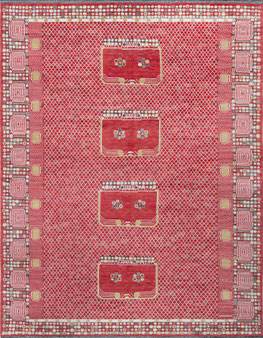
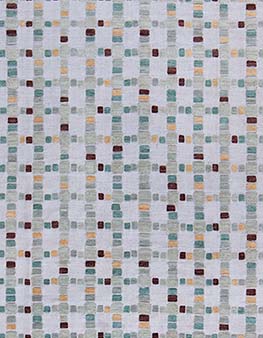
New area rugs are often selected when a project requires control: a specific background color, a fresh neutral, an unusually large format, a runner for a gallery-like hall, or a square rug for a symmetrical seating plan. Pale beige, ivory, gray, light blue, tan, slate, cream, and taupe designs can support serene interiors, while bolder abstract or geometric carpets can define a room more assertively. A modern rug may simplify a space with broad fields of color, while a traditional contemporary design can introduce medallions, vines, latticework, damask, or antique-inspired motifs without the condition questions associated with older carpets.
For faster browsing, the category can be narrowed by size and construction, including oversized, room size, runners, hand-knotted, and flatweave rugs. This makes it easier to evaluate proportion before focusing on design vocabulary. In open-plan residences, a large rug can connect seating, dining, and circulation zones; in bedrooms, a softer wool rug can frame the bed; in a foyer or corridor, a runner can introduce pattern without overwhelming the architecture.
Doris Leslie Blau sourcing and made-to-order options
Doris Leslie Blau has worked with exceptional rugs since 1965, and that background informs how new rugs are selected for the gallery. The strongest pieces are judged by weave, material, finishing, color balance, decorative clarity, and their ability to sit comfortably beside antique rugs, vintage rugs, contemporary art, and custom furnishings. When an available piece is not the exact size or palette required, custom made rugs and made-to-order options may be appropriate, especially for oversized rooms, unusual layouts, or projects needing a coordinated suite of carpets. Visible product pricing helps buyers compare options before requesting further details.